
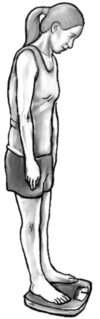
“What’s the best method for measuring body fat?”
“For a female athlete, what percent body fat is optimal?”
“I hate getting my body fat measured. I end up feeling imperfect.”
When I first started working as a sports dietitian, athletes would seek me out to get their body fat measured. It was the thing to do. That was in the days when lighter and leaner implied faster and better. We have since learned the leanest athlete, in the long run, commonly becomes the weaker and injured athlete. Being lean at any cost takes a toll on one’s health. Hence, striving to become strong and powerful is the better path to optimal performance.
Measuring body composition can be helpful to identify muscle gain and fat loss. Yet, coaches who routinely monitor body composition can trigger in their athletes strong feelings of anxiety, shame, and frustration, as well as pre-occupation with weight and appearance. Hence, routine measurements can easily lead to dysfunctional eating behaviors, such as crash dieting pre-measurement followed by binge eating afterwards.
At the 4th Annual PINES Symposium, Beyond the Numbers: An Examination and Scientific Evaluation of Body Composition Assessment in Athletes, experts took a deep dive into the current consensus surrounding the value (if any) of measuring body composition (fat vs. lean body mass, which includes muscle, bone, organs, water and any non-fatty tissue). Here are some of their key messages regarding whether or not to get your body composition measured.
- Any method used to assess body composition has limitations. Whether you get measured with skinfold calipers, BodPod, InBody, smart scales, or DEXA, you get a number. The best way to use that number is to track changes over time, using the same measurement method and the same person measuring. In the real world, the chances are slim the same provider will be available months later to repeat a measurement at the same time of day, with you having the same food and hydration status.
- There is no single optimal body fat percent for athletes. While a higher percent fat can be linked with slower race times in endurance athletes, no ideal percentage of body fatness exists; no number will guarantee success or failure. Athletes, like dogs, come with differing body shapes. A hulky St. Bernard is not “fat.” Putting St. Bernards on a strict diet would not transform them into greyhounds. They would simply be hungry, miserable St. Bernards who can’t wait to devour enough food to return to their original physiques. Genetics matters!
- Will your athletic performance improve if you lose fat? Perhaps, if you lose significant excess flab while minimizing muscle loss. But for already lean athletes, getting even leaner may not translate into better. How well you train better predicts improvements in performance than percent fat.
- Dieting athletes easily lose muscle. In power and team sports, muscle mass matters. Muscle produces force. Eating protein with meals and snacks can help maintain muscle mass. A good target is about 25-35 grams protein/meal and 15-25 grams protein per snack.
- Gaining muscle while losing fat is most feasible in untrained exercisers who have a strong protein intake. Performance problems arise when dieting athletes overeat protein and undereat grains and starchy foods (potato, bagel, pasta, bread, etc.) Protein builds, repairs, and preserves muscle; grains fuel muscle. A four-egg cheesy omelet for breakfast provides 40+ grams protein—but inadequate carbs needed to refuel depleted muscle glycogen stores. Poorly fueled muscles impair one’s ability to perform optimally. For help finding the right balance of carbs, protein, and calories, seek guidance from a registered dietitian (RD) who specializes in sports nutrition.
- How you lose body fat matters. Fat loss should be done in the off-season, when you do not need to be fueling well to train hard. To minimize muscle loss while reducing fat:
1) Target a slow rate of weight loss (0.5 -1% body mass per week) by creating just a small (300-500) calorie deficit.
2) Strength train to help protect against muscle loss.
3) Energize the workout by eating pre-exercise carbs. - Athletes with higher percent body fat may see their body as being flawed. They live with shame, disgust. The problem is not body fatness; the problem is they feel imperfect compared to their leaner teammates. Their negative body image can easily send them down the slippery slope into dysfunctional dieting patterns.
- If you have a bad relationship with your body, think twice before getting your body composition measured. If you choose to do so, carefully select a trusted measurer who can communicate the results with sensitivity and foster a body-supportive future.
- Rather than obsess about body fatness, focus instead on what your body does for you, not on how you look. Prioritize performance over appearance. Practice tossing aside negative thoughts about your appearance and your body.
- If you are a coach or member of an athlete’s performance team, take note: If you think your athletes should be weighed and measured, be sure you have a good reason for doing so (identifying muscle loss during a season?). Do not measure young athletes (under 18 years) or those with eating disorders (unless there is a medical reason).
- Weighing and measuring should not be done in public. Do NOT post the results where everyone can see them. Rather, communicate the results carefully, in private. Re-porting trends may be better than specific numbers.
Concluding thoughts
Whether or not to get your body fat measured should be your choice, not one that is inflicted upon you by a coach. You need to decide:
—Are body composition measurements worth the time, energy, and risk involved, given the data may or may not be accurate?
—How much will body composition knowledge actually impact your performance?
—Will discovering you have more body fat than expected put you over the edge?
Body fatness is only one piece of the performance puzzle.
Nancy Clark MS RD virtually counsels both fitness exercisers and competitive athletes (617-962-4382). Her best-selling Sports Nutrition Guidebook is a popular resource. For more information, visit NancyClarkRD.com